Electronics » Electronics Prototyping »
Switches, Buttons, and Relays
 |
 Compare all products in this category
Subcategories
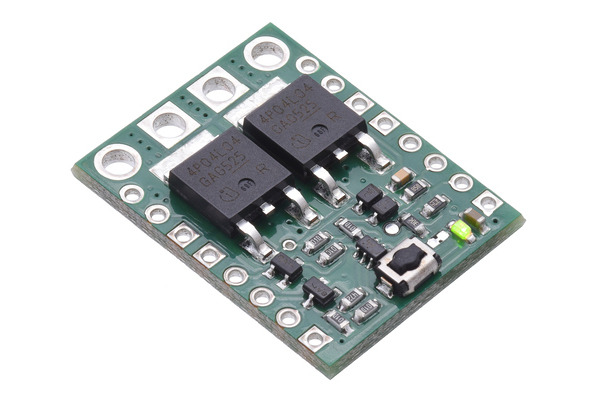
These breadboard-compatible modules are alternatives to bulky power switches. Since the main current does not flow through the mechanical switch, a variety of small, low-power switches can be used to control a lot of power. Additional inputs enable control of these switches from a microcontroller output or other digital signal.
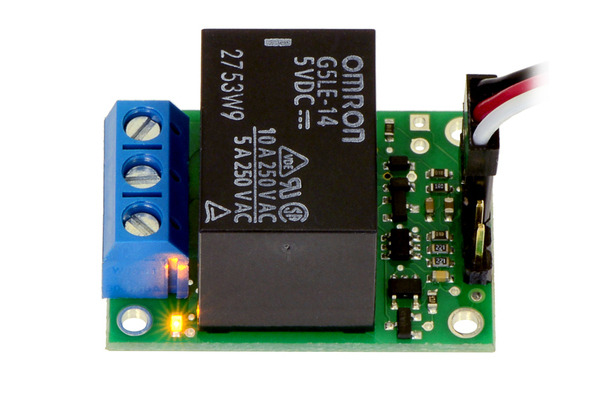
The Pololu RC switches make it easy to turn devices on and off with a standard hobby radio control (RC) system. Several versions are available, ranging from one with a simple digital output to modules with integrated MOSFETs, relays, or multiplexers.
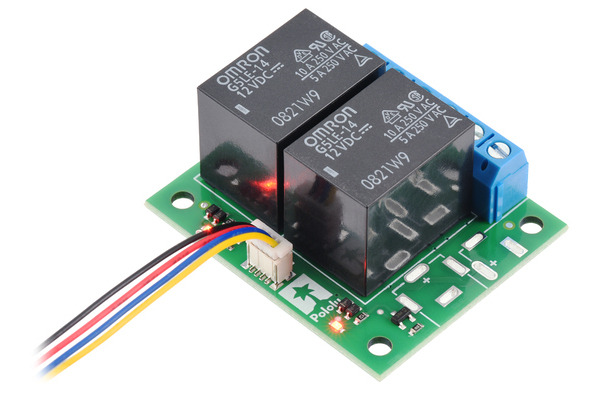
These electrically operated switches make it possible to control circuits with low-power signals while offering electrical isolation between the controlling circuit and the circuit being switched.
Products in category “Switches, Buttons, and Relays”
| Pololu item #: 3728 | |
| Brand: Pololu | supply outlook |
| Status: Active and Preferred | |

|
|


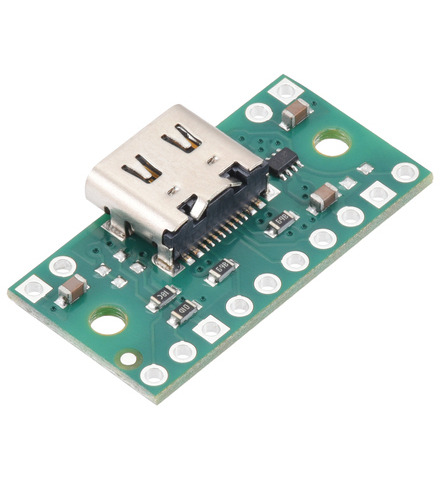
This carrier board for Texas Instruments’s TPS2116 power multiplexer allows seamless switching between two power sources of 1.6 V to 5.5 V with up to 2.5 A of continuous current while blocking reverse current into either source. By default, the mux selects the higher of the two input voltages, and it can also be configured to switch from the VIN1 supply to the VIN2 supply on command or when VIN1 falls below a preset voltage. In addition, this board serves as a breakout for a USB Type-C connector that can be used to supply the preferred (VIN1) rail.
| Pololu item #: 3729 | |
| Brand: Pololu | supply outlook |
| Status: Active and Preferred | |
|
|
|
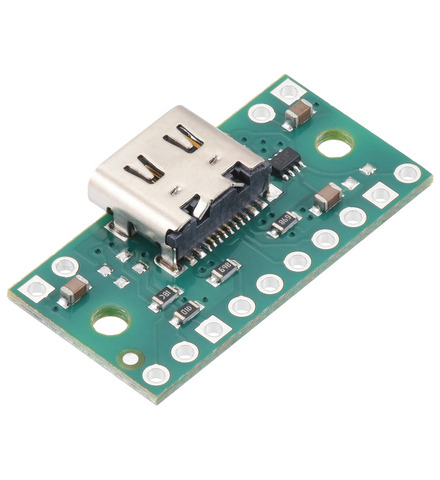
This carrier board for Texas Instruments’s TPS2116 power multiplexer allows seamless switching between two power sources of 1.6 V to 5.5 V with up to 2.5 A of continuous current while blocking reverse current into either source. By default, the mux selects the higher of the two input voltages, and it can also be configured to switch from the VIN1 supply to the VIN2 supply on command or when VIN1 falls below a preset voltage. In addition, this board serves as a breakout for a USB Type-C connector that can be used to supply the non-preferred (VIN2) rail.
| Pololu item #: 2596 | |
| Brand: Pololu | |
| Status: Active and Preferred | |
|
|
|
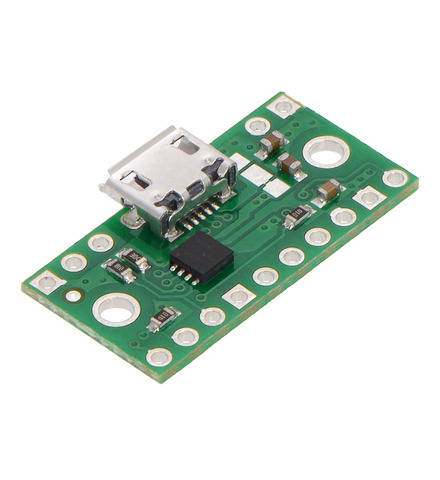
This breakout board for Texas Instruments’s TPS2113A autoswitching power multiplexer allows you to select which of two power sources is connected to a load while blocking reverse current into either of the sources. It has an adjustable current limit that can be set as high as 2 A and an adjustable switching threshold. Each input power rail on the multiplexer can be supplied with 2.8 V to 5.5 V, and the board also breaks out a USB Micro-B connector that can be used to supply one of the rails.
| Pololu item #: 2594 | |
| Brand: Pololu | |
| Status: Not Recommended for New Design | |
|
|
|
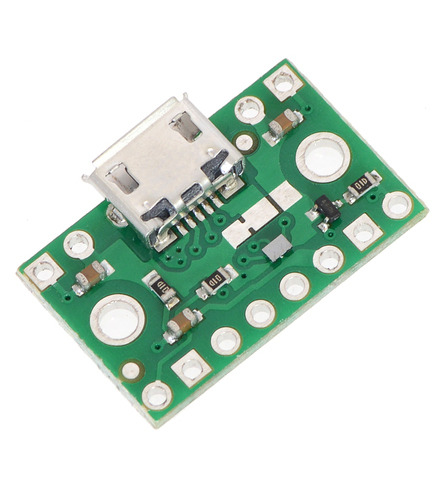
This breakout board for Fairchild’s FPF1320 acts as a power multiplexer, allowing you to select which of two power sources is connected to a load while blocking reverse current into either of the sources. It handles up to 1.5 A of current at 1.5 V to 5.5 V and also breaks out a USB Micro-B connector that can be used to supply one of the input power rails.
| Pololu item #: 1406 | |
| Brand: Generic | |
|
|
|
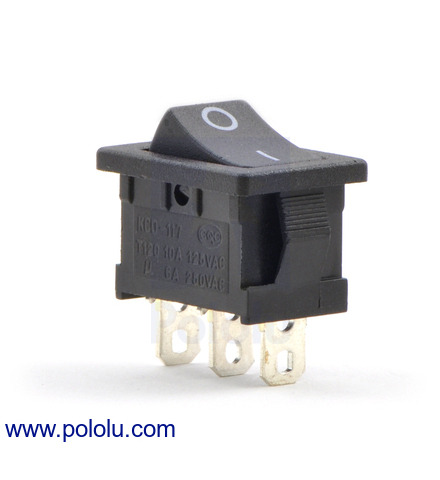
This single-pole, double-throw (SPDT) rocker switch makes a great on/off power switch. It is rated for 10 A at 125 VAC and 6 A at 250 VAC.
| Pololu item #: 1408 | |
| Brand: Generic | |
|
|
|
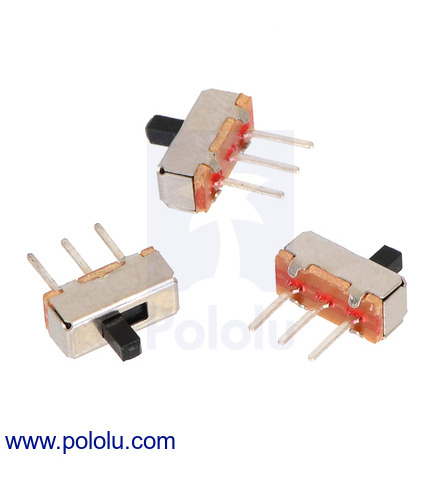
These small single-pole, double-throw (SPDT) slide switches are rated for 300 mA at 50 VDC and make great on/off power switches for low power electronics. They can also be used as a convenient way to choose between two analog or digital input signals. The three pins have a 0.1″ spacing that works with standard solderless breadboards. These switches are sold in packs of 3.
| Pololu item #: 1403 | |
| Brand: Generic | |
|
|
|
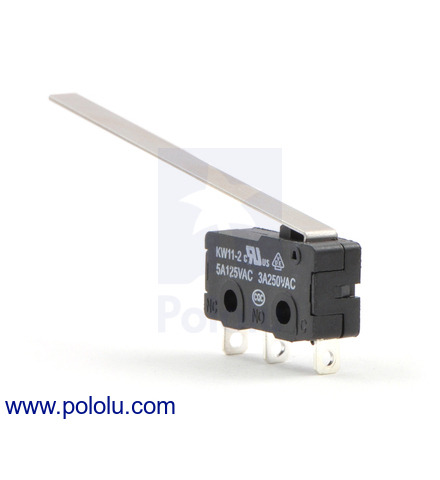
This single-pole, double-throw (SPDT) momentary switch can be used as a general-purpose micro switch, but the long lever arm makes it especially useful as a tactile bump sensor for your robot (e.g whiskers or antennae). The switch body dimension is 20.0 x 6.4 x 10.2 mm, and the lever arm is 50 mm long.
| Pololu item #: 1402 | |
| Brand: Generic | |
|
|
|
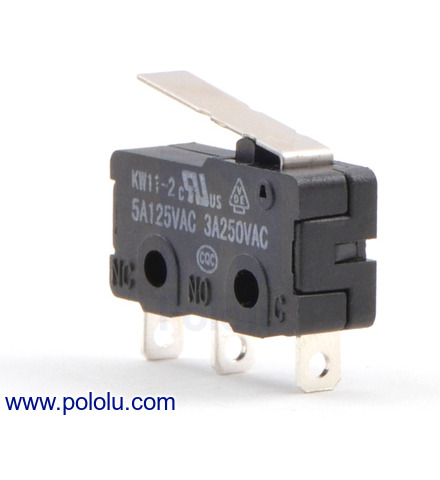
This single-pole, double-throw (SPDT) momentary switch can be used as a general-purpose micro switch or tactile bump sensor for your robot. The switch body dimension is 20.0 x 6.4 x 10.2 mm, and the lever arm is 16.7 mm long.
| Pololu item #: 1404 | |
| Brand: Generic | supply outlook |
|
|
|
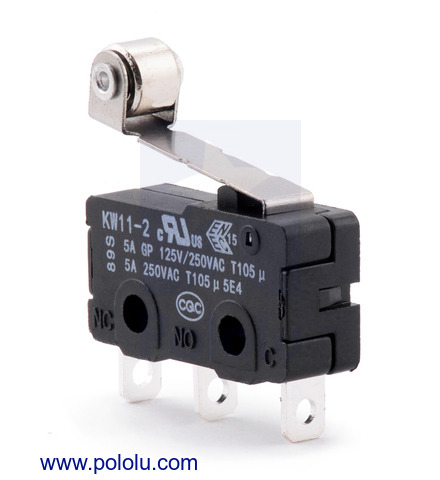
This single-pole, double-throw (SPDT) momentary switch can be used as a general-purpose micro switch or tactile bump sensor for your robot. The switch body dimension is 20.0 x 6.4 x 10.2 mm, and the 16.3mm lever arm is has a roller at the tip.
| Pololu item #: 1405 | |
| Brand: Generic | |
|
|
|
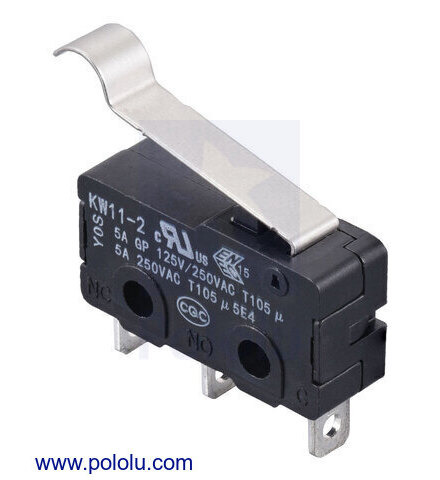
This single-pole, double-throw (SPDT) momentary switch can be used as a general-purpose micro switch or tactile bump sensor for your robot. The switch body dimension is 19.8 x 6.4 x 10.2 mm, and the 18.5 mm lever arm has a semicircular bump at the tip that simulates a roller.
| Pololu item #: 1528 | |
| Brand: Generic | |
|
|
|
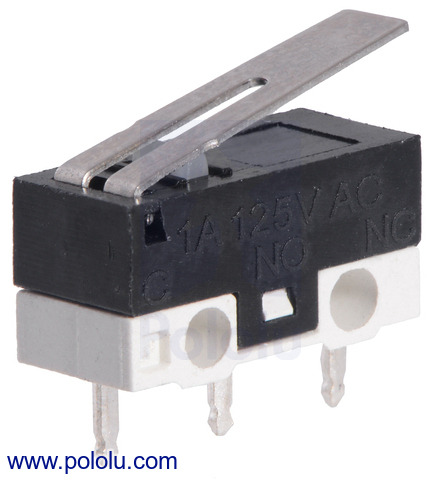
This miniature single-pole, double-throw (SPDT) momentary switch can be used as a general-purpose micro switch or as a small tactile bump sensor for your robot. The switch body dimension is 12.8 × 6.0 × 6.5 mm, and the lever arm is 13.5 mm long.
| Pololu item #: 1400 | |
| Brand: Generic | supply outlook |
|
|
|
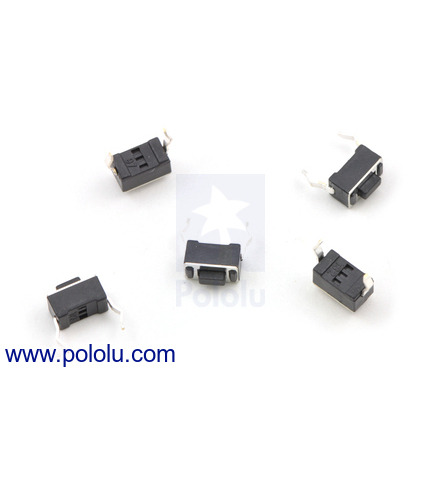
These small, two-pin, normally open, momentary tactile buttons are intended for mounting to PCBs, but they can also be plugged into standard 0.1" breadboards. They work well as reset buttons and can be connected to microcontroller inputs to serve as a user-interface components. These pushbuttons are sold in packs of 5.
Related products


Related categories


Home | Forum | Blog | Support | Ordering Information | Lists | Distributors | BIG Order Form | About | Contact
© 2001–2026 Pololu Corporation