Electronics » Motion Control Modules »
Brushed DC Motor Drivers
These motor drivers are intended to be used with brushed DC motors such as our metal gearmotors or plastic gearmotors. We have many different motor driver boards available that offer a variety of features over a wide range of operating voltages and current capabilities. These modules are generally basic carrier boards for a selection of motor driver ICs or discrete MOSFET based H-bridges. They offer low-level interfaces such as PWM and digital high/low inputs. An external microcontroller is typically required for generating these low-level signals. Some of our motor drivers are available in the form factor of an Arduino shield, but can also be used with other controllers as general-purpose motor drivers. Additionally, some are available in the form factor of a Raspberry Pi expansion board for easy integration with compatible Raspberry Pi boards (Model B+ or newer). The tables below provide a comparison of the key features and specifications of our motor drivers.
| Low-power motor drivers | |||||||
|---|---|---|---|---|---|---|---|
 DRV8838 |
 BD65496MUV |
 DRV8835 |
 DRV8833 |
 A4990 |
 TB6612FNG |
 MP6550 |
|
| Motor channels | single | single | dual | dual | dual | dual | single |
| Min. operating voltage | 0 V | 2 V | 0 V | 2.7 V | 6 V | 4.5 V | 1.8 V |
| Max. operating voltage | 11 V | 16 V | 11 V | 10.8 V | 32 V | 13.5 V | 22 V |
| Max. continuous current(1) | 1.7 A | 1.2 A | 1.2 A | 1.2 A | 0.7 A | 1 A | 1.7 A |
| Peak current | 1.8 A | 5 A | 1.5 A | 2 A | 0.9 A(2) | 3 A | 2.5 A(2) |
| Current sense feedback? | — | — | — | — | — | — | 200 mV/A |
| Active current limiting | — | — | — | adjustable | adjustable | — | adjustable |
| Size | 0.4″ × 0.5″ | 0.6″ × 0.6″ | 0.4″ × 0.7″ | 0.5″ × 0.8″ | 0.6″ × 0.8″ | 0.6″ × 0.8″ | 0.5″ × 0.6″ |
| Shield version available? | — | — | Yes | — | Yes | — | — |
| Raspberry Pi expansion version available? |
— | — | Yes | — | — | — | — |
| 1-piece price | $4.95 | $14.95 | $6.95 | $10.95 | $13.95 | $4.95 | $5.95 |
| Note 1: Per motor channel, on Pololu carrier board, at room temperature, and without additional cooling. | |||||||
| Note 2: Default current limit; see product descriptions for details. | |||||||
| Medium-power motor drivers | |||||||||||
|---|---|---|---|---|---|---|---|---|---|---|---|
 DRV8876 (QFN) |
 TB67H453- FTG (QFN) |
 DRV8876 |
 TB67H453- FNG |
 DRV8874 |
 DRV8256E DRV8256P |
 MAX14870 |
 MC33926 |
 TB9051FTG |
 TB67H420FTG |
 MPQ6612A |
|
| Motor channels | single | single | single | single | single | single | single / dual | single / dual | single / dual | single / dual | single |
| Min. operating voltage | 4.5 V | 4.5 V | 4.5 V | 4.5 V | 4.5 V | 4.5 V | 4.5 V | 5 V | 4.5 V | 10 V | 4 V |
| Max. operating voltage | 37 V | 44 V | 37 V | 44 V | 37 V | 48 V | 36 V | 28 V | 28 V | 47 V | 40 V |
| Max. continuous current(1) | 1.1 A | 1.1 A | 1.3 A | 1.3 A | 2.1 A | 1.9 A | 1.7 A | 2.5 A | 2.6 A | 3.4 A / 1.7 A | 4 A |
| Peak current | 2 A(2) | 2 A(2) | 2 A(2) | 2 A(2) | 4.4 A(2) | 6.4 A | 2.5 A | 5 A | 5 A | 9 A / 4.5 A | 7.5 A |
| Current sense feedback? | 2500 mV/A | 2500 mV/A | 2500 mV/A | 2500 mV/A | 1100 mV/A | — | — | 525 mV/A | 500 mV/A | — | 200 mV/A |
| Active current limiting | adjustable | adjustable | adjustable | adjustable | adjustable | adjustable | adjustable | — | — | 9 A / 4.5 A | adjustable |
| Size | 0.6″ × 0.7″ | 0.6″ × 0.7″ | 0.6″ × 0.7″ | 0.6″ × 0.7″ | 0.6″ × 0.7″ | 0.6″ × 0.6″ | 0.6″ × 0.5″ | 1.2″ × 1.0″ | 1.0″ × 1.0″ | 1.2″ × 1.0″ | 0.8″ × 0.9″ |
| Shield version available? | — | — | — | — | — | — | Yes | Yes | Yes | — | — |
| Raspberry Pi expansion version available? |
— | — | — | — | — | — | Yes | Yes | Yes | — | — |
| 1-piece price | $7.14 | $4.49 | $8.15 | $4.95 | $11.94 | $14.31 (E) $14.31 (P) |
$11.94 | $19.95 | $12.95 | $12.95 | $12.95 (no connectors) $14.95 (soldered con.) |
| Note 1: Per motor channel, on Pololu carrier board, at room temperature, and without additional cooling. | |||||||||||
| Note 2: Default current limit; see product descriptions for details. | |||||||||||
| High-power motor drivers | ||||||||||||
|---|---|---|---|---|---|---|---|---|---|---|---|---|
 DRV8263H |
 VNH5019 |
 G2 18v17 |
 G2 18v25 |
 G2 24v13 |
 G2 24v21 |
 G2 24v30 CS |
 H2 36v11 CS |
 G2 18v18 |
 G2 18v22 |
 G2 24v14 |
 G2 24v18 |
|
| Motor channels | single | single / dual | single | dual | ||||||||
| Min. operating voltage | 4.5 V | 5.5 V | 6.5 V | 5 V | 6.5 V | |||||||
| Max. operating voltage | 65 V | 24 V | 30 V | 40 V | 60 V | 30 V | 40 V | |||||
| Max. continuous current(1) | 3.5 A | 12 A | 17 A | 25 A | 13 A | 21 A | 30 A | 11 A | 18 A | 22 A | 14 A | 18 A |
| Current sense feedback? | 300 mV/A | 140 mV/A | 20 mV/A | 10 mV/A | 40 mV/A | 20 mV/A | 13.2 mV/A | 60 mV/A(2) | 20 mV/A | 10 mV/A | 20 mV/A | 20 mV/A |
| Active current limiting | 10 A adjustable |
— | 40 A adjustable |
60 A adjustable |
30 A adjustable |
50 A adjustable |
100 A adjustable |
— | 50 A adjustable |
60 A adjustable |
40 A adjustable |
50 A adjustable |
| Size | 1.3″ × 0.8″ | 1.5″ × 1.1″ | 1.3″ × 0.8″ | 1.7″ × 1.9″ | 1.3″ × 0.8″ | 2.56″ × 2.02″ | ||||||
| Shield version available? | — | Yes | — | — | — | — | — | — | Yes | Yes | Yes | Yes |
| Raspberry Pi expansion version available? |
— | — | — | — | — | — | — | — | Yes | Yes | Yes | Yes |
| 1-piece price | $14.95 | $19.95 | $44.95 | $56.95 | $44.95 | $56.95 | $74.95 | $56.95 | $74.95 | $104.95 | $79.95 | $104.95 |
| Note 1: Per driver board motor channel, at room temperature and without heat sinking or forced air flow. | ||||||||||||
| Note 2: When VCC = 5 V; sensitivity is proportional to VCC. | ||||||||||||
 Compare all products in this category
Subcategories
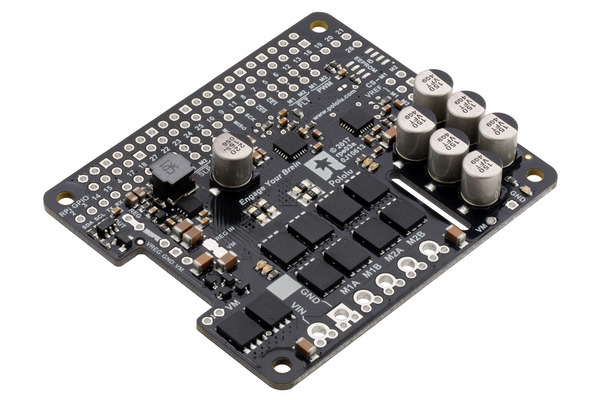
This family of discrete MOSFET H-bridge motor drivers is suitable for bidirectional control of high-voltage or high-current DC brushed motors.
Products in category “Brushed DC Motor Drivers”
| Pololu item #: 2507 | |
| Brand: Pololu | supply outlook |
| Status: Active and Preferred | |

|
|


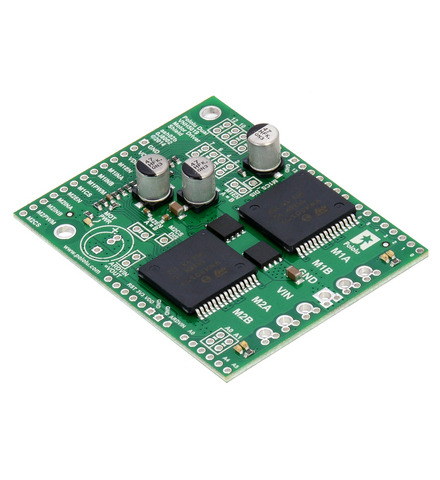
Get your Arduino moving! This shield makes it easy to control two high-power DC motors with your Arduino or Arduino-compatible board. Its dual robust VNH5019 motor drivers operate from 5.5 to 24 V and can deliver a continuous 12 A (30 A peak) per motor, or a continuous 24 A (60 A peak) to a single motor connected to both channels. These great drivers also offer current-sense feedback and accept ultrasonic PWM frequencies for quieter operation. The Arduino pin mappings can all be customized if the defaults are not convenient, and the motor driver control lines are broken out along the left side of the shield for general-purpose use without an Arduino.
| Pololu item #: 1451 | |
| Brand: Pololu | supply outlook |
| Status: Active and Preferred | |
|
|
|
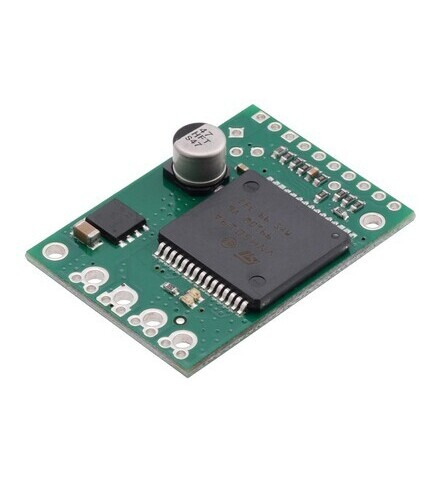
This carrier board for ST’s VNH5019 motor driver IC operates from 5.5 to 24 V and can deliver a continuous 12 A (30 A peak). It works with 2.5 to 5 V logic levels, supports ultrasonic (up to 20 kHz) PWM, and features current sense feedback (an analog voltage proportional to the motor current). Along with built-in protection against reverse-voltage, over-voltage, under-voltage, over-temperature, and over-current, these features make this product a great general-purpose motor driver.
| Pololu item #: 5238 | |
| Brand: Pololu | supply outlook |
| Status: Active and Preferred | |
|
|
|
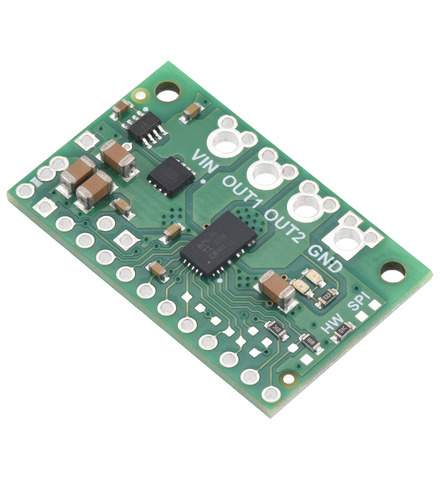
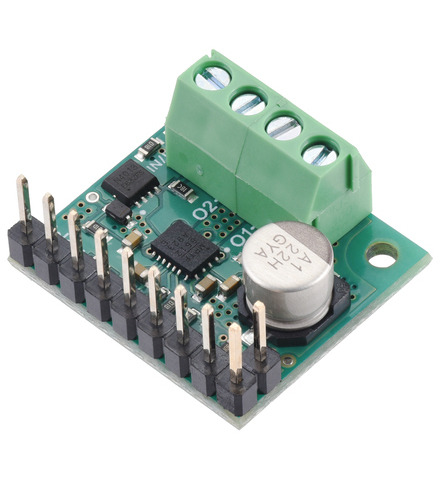
This breakout board for TI’s DRV8263H motor driver offers a wide operating voltage range of 4.5 V to 65 V and can deliver a continuous 3.5 A to a single bidirectional brushed DC motor. The DRV8263H also features integrated current sensing and regulation that limits the peak motor current to about 10 A by default, as well as built-in protection against under-voltage, over-current, and over-temperature. The carrier board adds protection against reverse voltage.
| Pololu item #: 5286 | |
| Brand: Pololu | supply outlook |
| Status: Active and Preferred | |
|
|
|
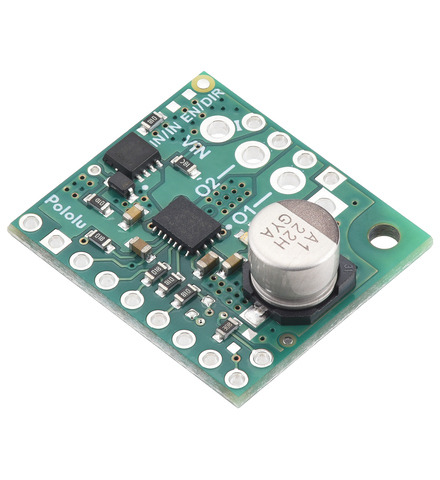
This breakout board for the MPS MPQ6612A motor driver offers a wide operating voltage range of 4 V to 40 V and can deliver up to 4 A continuous to a single brushed DC motor. The MPQ6612A has built-in current sensing and regulation that limits the peak motor current to 7.5 A by default, as well as protection against over-current and over-temperature. The carrier board also adds reverse-voltage protection. This version includes soldered connectors, so no soldering is required to use it.
| Pololu item #: 5285 | |
| Brand: Pololu | supply outlook |
| Status: Active and Preferred | |
|
|
|
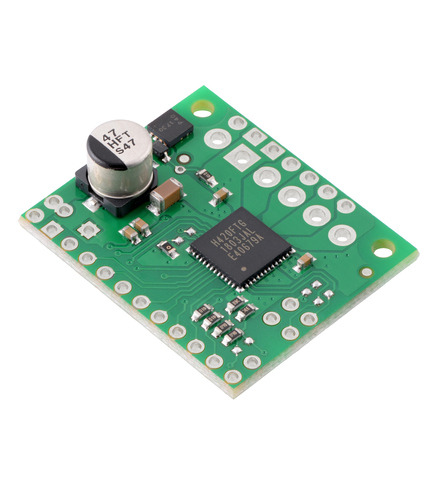
This breakout board for the MPS MPQ6612A motor driver offers a wide operating voltage range of 4 V to 40 V and can deliver up to 4 A continuous to a single brushed DC motor. The MPQ6612A has built-in current sensing and regulation that limits the peak motor current to 7.5 A by default, as well as protection against over-current and over-temperature. The carrier board also adds reverse-voltage protection. This version does not include any connectors.
| Pololu item #: 2999 | |
| Brand: Pololu | supply outlook |
| Status: Active and Preferred | |
|
|
|
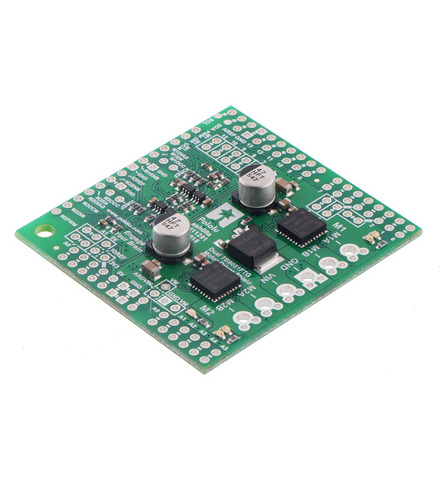
This breakout board makes it easy to use Toshiba’s TB67H420FTG brushed DC motor driver, which can operate in either dual-channel mode for independent bidirectional control of two motors or single-channel mode for driving one motor with increased current. It has a wide operating voltage range of 10 V to 47 V and can deliver a continuous 1.7 A to each motor channel, or 3.4 A in single-channel mode. A configurable current chopping threshold allows the TB67H420 to actively limit the motor current, and it features built-in protection against under-voltage, over-current, and over-temperature conditions; our carrier board also adds reverse-voltage protection (up to 40 V).
| Pololu item #: 2520 | |
| Brand: Pololu | supply outlook |
| Status: Active and Preferred | |
|
|
|
This shield makes it easy to control two brushed DC motors with your Arduino or Arduino-compatible board. Its dual TB9051FTG motor drivers operate from 4.5 to 28 V and can deliver a continuous 2.6 A per motor (5 A peak). These great drivers also offer current-sense feedback and accept ultrasonic PWM frequencies for quieter operation. A fixed current chopping threshold allows each TB9051 to limit the peak motor current, and they feature built-in protection against under-voltage, over-current, and over-temperature conditions; our shield also adds reverse-voltage protection. The Arduino pin mappings can all be customized if the defaults are not convenient, and the motor driver control lines are broken out along the left side of the shield for general-purpose use without an Arduino.
| Pololu item #: 2761 | |
| Brand: Pololu | |
| Status: Active and Preferred | |
|
|
|
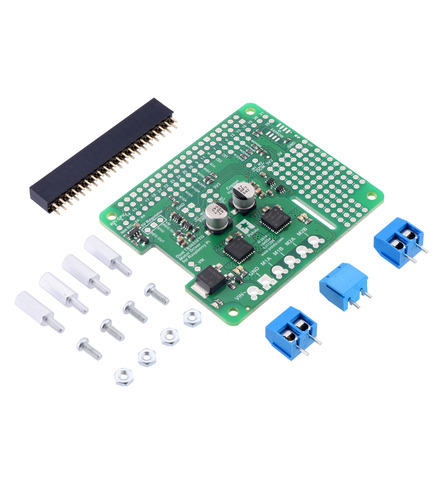
This add-on board enables a Raspberry Pi (Model B+ or newer) to drive a pair of brushed DC motors. Its dual TB9051FTG motor drivers operate from 4.5 V to 28 V and can deliver a continuous 2.6 A (5 A peak) per motor. The default pin mappings make it easy to get started using our provided software, but the board also exposes most of the driver chips’ I/O pins for more specialized applications. This version ships as a partial kit; all surface-mount components are installed, but the included through-hole connectors are not soldered in.
| Pololu item #: 2762 | |
| Brand: Pololu | |
| Status: Active and Preferred | |
|
|
|
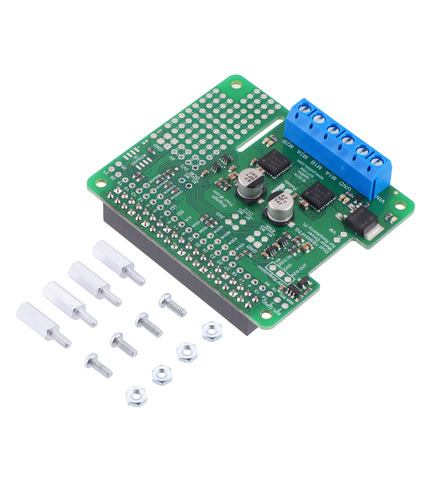
This add-on board enables a Raspberry Pi B+, Pi A+, Pi 2 or Pi 3 to drive a pair of brushed DC motors. Its dual TB9051FTG motor drivers operate from 4.5 V to 28 V and can deliver a continuous 2.6 A (5 A peak) per motor. The default pin mappings make it easy to get started using our provided software, but the board also exposes most of the driver chips’ I/O pins for more specialized applications. This version ships fully assembled with connectors soldered in.
| Pololu item #: 2997 | |
| Brand: Pololu | supply outlook |
| Status: Active and Preferred | |
|
|
|
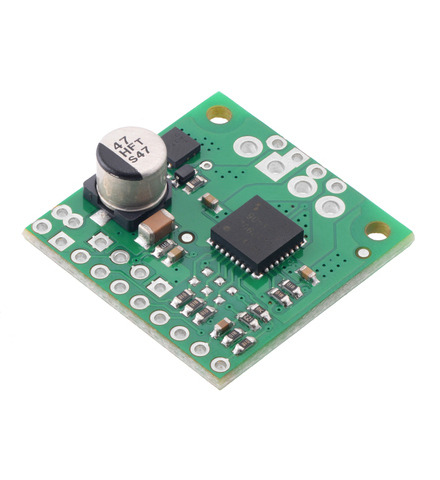
This breakout board makes it easy to use Toshiba’s TB9051FTG brushed DC motor driver. It has a wide operating voltage range of 4.5 V to 28 V and can deliver a continuous 2.6 A. A fixed current chopping threshold allows the TB9051 to limit the peak motor current, and it features built-in protection against under-voltage, over-current, and over-temperature conditions; our carrier board also adds reverse-voltage protection.
| Pololu item #: 2503 | |
| Brand: Pololu | supply outlook |
| Status: Active | |
|
|
|
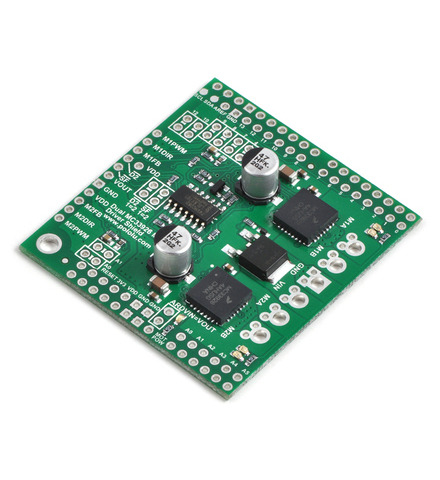
This shield makes it easy to control two brushed DC motors with your Arduino or Arduino-compatible board. Its dual MC33926 motor drivers operate from 5 to 28 V and can deliver a continuous 3 A per motor. These great drivers also offer current-sense feedback and accept ultrasonic PWM frequencies for quieter operation. The Arduino pin mappings can all be customized if the defaults are not convenient, and the motor driver control lines are broken out along the left side of the shield for general-purpose use without an Arduino.
| Pololu item #: 2755 | |
| Brand: Pololu | |
| Status: Active | |
|
|
|
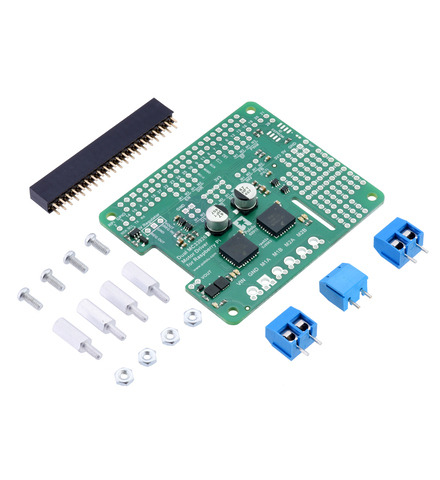
This add-on board enables a compatible Raspberry Pi (Model B+ or newer), including the Pi 3 Model B+ and Model A+, to drive a pair of brushed DC motors. Its dual MC33926 motor drivers operate from 5 V to 28 V and can deliver a continuous 3 A (5 A peak) per motor. The default pin mappings make it easy to get started using our provided software, but the board also exposes most of the driver chips’ I/O pins for more specialized applications. This version ships as a partial kit; all surface-mount components are installed, but the included through-hole connectors are not soldered in.
| Pololu item #: 2756 | |
| Brand: Pololu | |
| Status: Active | |
|
|
|
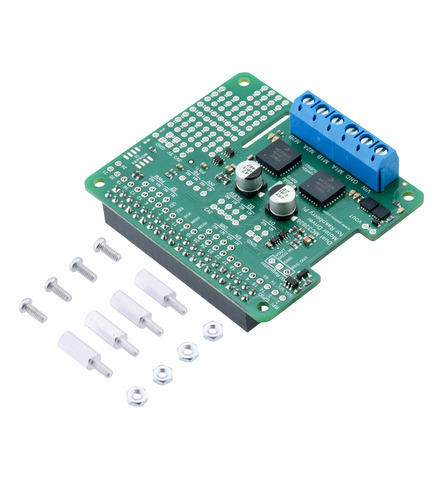
This add-on board enables a Raspberry Pi B+, A+, Pi 2, or Pi 3 to drive a pair of brushed DC motors. Its dual MC33926 motor drivers operate from 5 V to 28 V and can deliver a continuous 3 A (5 A peak) per motor. The default pin mappings make it easy to get started using our provided software, but the board also exposes most of the driver chips’ I/O pins for more specialized applications. This version ships fully assembled with connectors soldered in.
| Pololu item #: 1213 | |
| Brand: Pololu | supply outlook |
| Status: Active | |
|
|
|
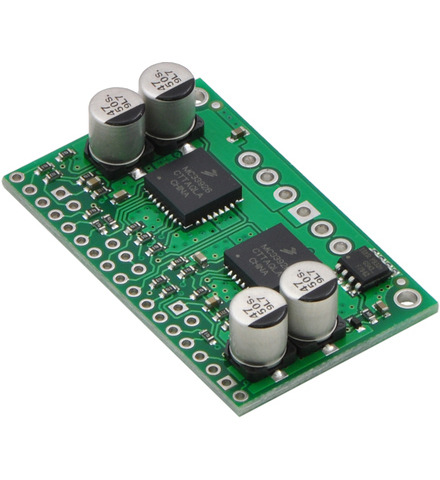
This dual brushed DC motor driver, based on Freescale’s MC33926 full H-bridge, has a wide operating range of 5 V to 28 V and can deliver almost 3 A continuously (5 A peak) to each of its two motor channels. The MC33926 works with 3 V to 5 V logic levels, supports ultrasonic (up to 20 kHz) PWM, and features current feedback, under-voltage protection, over-current protection, and over-temperature protection.
| Pololu item #: 1212 | |
| Brand: Pololu | supply outlook |
| Status: Active | |
|
|
|
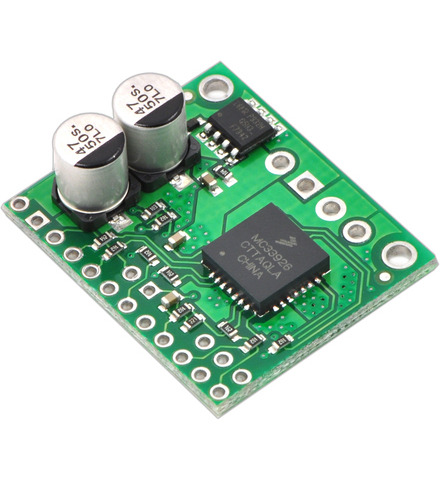
This breakout board for Freescale’s MC33926 full H-bridge has an operating range of 5 V to 28 V and can deliver almost 3 A continuously (5 A peak) to a DC motor. The MC33926 works with 3 V to 5 V logic levels, supports ultrasonic (up to 20 kHz) PWM, and features current feedback, under-voltage protection, over-current protection, and over-temperature protection.
| Pololu item #: 4038 | |
| Brand: Pololu | supply outlook |
| Status: Active and Preferred | |
|
|
|
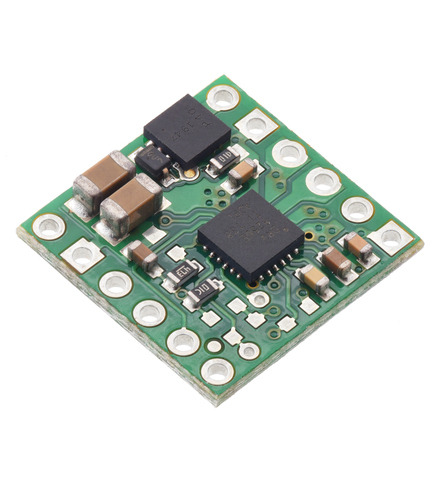
This compact breakout board for TI’s DRV8256E motor driver offers a wide operating voltage range of 4.5 V to 48 V and can deliver a continuous 1.9 A (6.4 A peak for <1 second) to a single brushed DC motor. It features a simple two-pin speed/direction interface and built-in protection against reverse-voltage, under-voltage, over-current, and over-temperature.
| Pololu item #: 4039 | |
| Brand: Pololu | supply outlook |
| Status: Active and Preferred | |
|
|
|
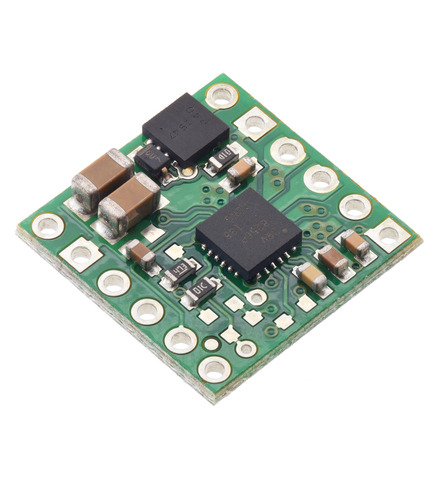
This compact breakout board for TI’s DRV8256P motor driver offers a wide operating voltage range of 4.5 V to 48 V and can deliver a continuous 1.9 A (6.4 A peak for <1 second) to a single brushed DC motor. It features a two-pin IN/IN interface for direct control of the motor outputs and built-in protection against reverse-voltage, under-voltage, over-current, and over-temperature.
| Pololu item #: 4035 | |
| Brand: Pololu | supply outlook |
| Status: Active and Preferred | |
|
|
|
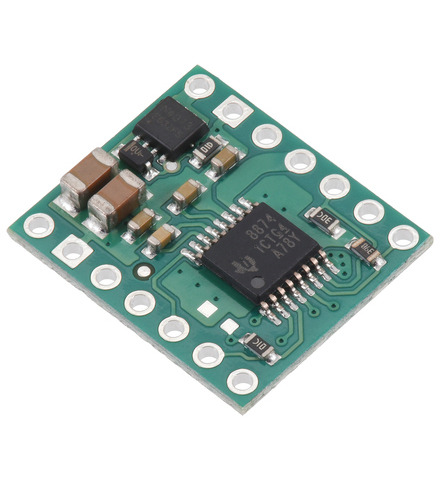
This compact breakout board for TI’s DRV8874 motor driver offers a wide operating voltage range of 4.5 V to 37 V and can deliver a continuous 2.1 A to a single bidirectional brushed DC motor. The DRV8874 also features integrated current sensing and regulation that limits the peak motor current to about 4.4 A by default, as well as built-in protection against under-voltage, over-current, and over-temperature. The carrier board adds protection against reverse voltage.
| Pololu item #: 4971 | |
| Brand: Pololu | supply outlook |
| Status: Active and Preferred | |
|
|
|
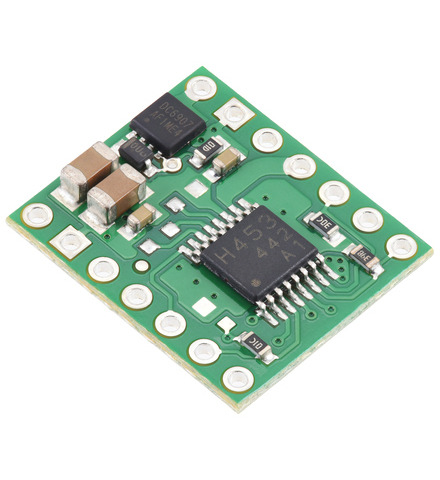
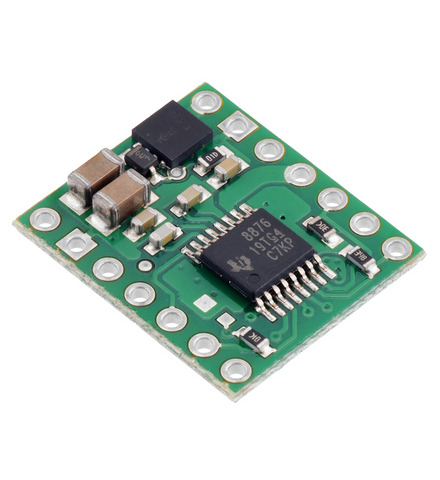
This compact breakout board for Toshiba’s TB67H453FNG motor driver offers a wide operating voltage range of 4.5 V to 44 V and can deliver a continuous 1.3 A to a single bidirectional brushed DC motor. The TB67H453 also features integrated current sensing and regulation that limits the peak motor current to about 2 A by default, as well as built-in protection against under-voltage, over-current, and over-temperature. The carrier board adds protection against reverse voltage.
| Pololu item #: 4036 | |
| Brand: Pololu | supply outlook |
| Status: Active and Preferred | |
|
|
|
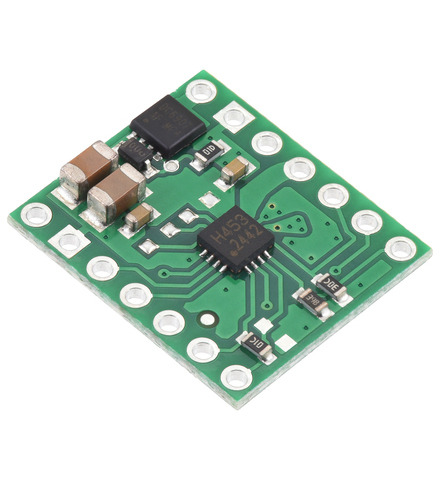
This compact breakout board for TI’s DRV8876 motor driver offers a wide operating voltage range of 4.5 V to 37 V and can deliver a continuous 1.3 A to a single bidirectional brushed DC motor. The DRV8876 also features integrated current sensing and regulation that limits the peak motor current to about 2 A by default, as well as built-in protection against under-voltage, over-current, and over-temperature. The carrier board adds protection against reverse voltage.
| Pololu item #: 4972 | |
| Brand: Pololu | supply outlook |
| Status: Active and Preferred | |
|
|
|
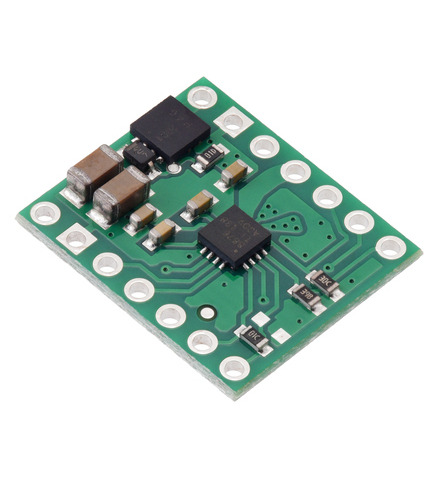
This compact breakout board for Toshiba’s TB67H453FTG motor driver offers a wide operating voltage range of 4.5 V to 44 V and can deliver a continuous 1.1 A to a single bidirectional brushed DC motor. The TB67H453 also features integrated current sensing and regulation that limits the peak motor current to about 2 A by default, as well as built-in protection against under-voltage, over-current, and over-temperature. The carrier board adds protection against reverse voltage.
| Pololu item #: 4037 | |
| Brand: Pololu | supply outlook |
| Status: Active and Preferred | |
|
|
|
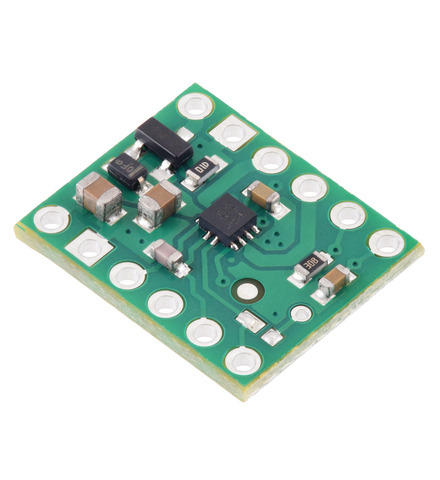
This compact breakout board for TI’s DRV8876 motor driver offers a wide operating voltage range of 4.5 V to 37 V and can deliver a continuous 1.1 A to a single bidirectional brushed DC motor. The DRV8876 also features integrated current sensing and regulation that limits the peak motor current to about 2 A by default, as well as built-in protection against under-voltage, over-current, and over-temperature. The carrier board adds protection against reverse voltage.
| Pololu item #: 4733 | |
| Brand: Pololu | supply outlook |
| Status: Active and Preferred | |
|
|
|
This tiny breakout board for the MPS MP6550 motor driver offers a wide operating voltage range of 1.8 V to 22 V and can deliver a continuous 1.7 A (2.5 A peak) to a single brushed DC motor. The MP6550 has built-in current sensing and current limiting as well as protection against under-voltage, over-current, and over-temperature conditions. The carrier board also adds reverse-voltage protection up to 20 V.
| Pololu item #: 2519 | |
| Brand: Pololu | supply outlook |
| Status: Active | |
|
|
|
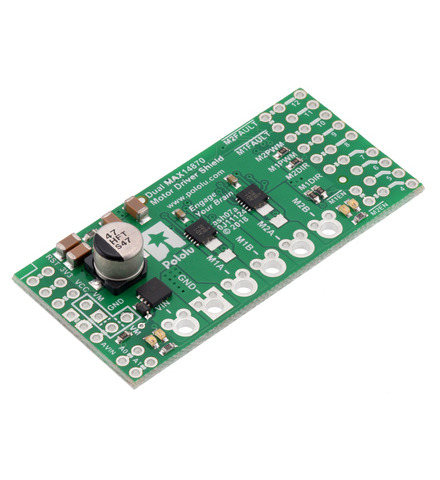
This small shield is an easy, economical way to control two small brushed DC motors with an Arduino or Arduino-compatible board. Its two integrated MAX14870 motor drivers allows it to operate from 4.5 V to 36 V, making it a great for higher-voltage motors and applications, and the shield can 1.7 A continuous (2.5 A peak) per motor. The shield can optionally be configured to power the Arduino from the same power supply as the motor driver, and the Arduino pin mappings can be customized (by cutting traces) if the defaults are not convenient.
| Pololu item #: 3758 | |
| Brand: Pololu | |
| Status: Active | |
|
|
|
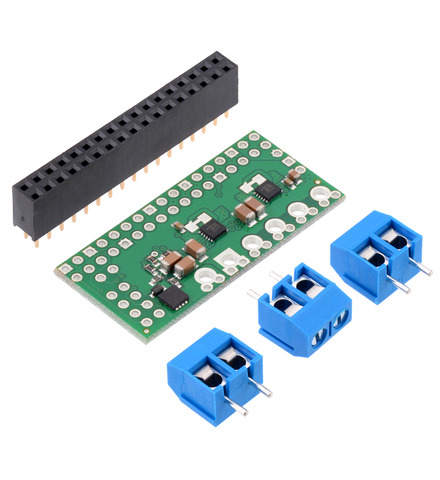
This compact expansion board plugs directly into the GPIO header on a Raspberry Pi and provides an easy and low-cost solution for driving a pair of small brushed DC motors. Its pair of integrated MAX14870 motor drivers allows it to operate from 4.5 V to 36 V, making it a great control option for small motors that run on a wide range of voltages. The board can deliver a continuous 1.7 A (2.5 A peak) per motor. This version ships as a partial kit; all surface-mount components are installed, but the included through-hole connectors are not soldered in.
| Pololu item #: 3759 | |
| Brand: Pololu | |
| Status: Active | |
|
|
|
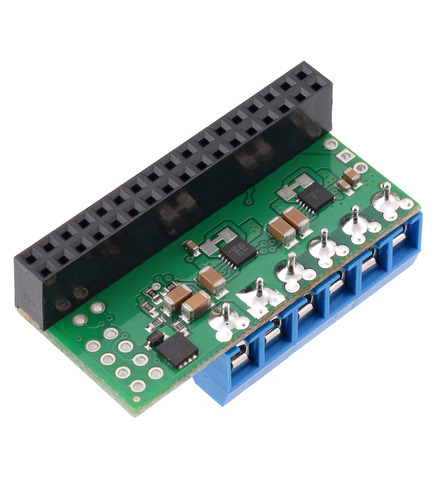
This compact expansion board plugs directly into the GPIO header on a Raspberry Pi and provides an easy and low-cost solution for driving a pair of small brushed DC motors. Its pair of integrated MAX14870 motor drivers allows it to operate from 4.5 V to 36 V, making it a great control option for small motors that run on a wide range of voltages. The board can deliver a continuous 1.7 A (2.5 A peak) per motor. This version ships fully assembled with connectors soldered in.
| Pololu item #: 2961 | |
| Brand: Pololu | supply outlook |
| Status: Active | |
|
|
|
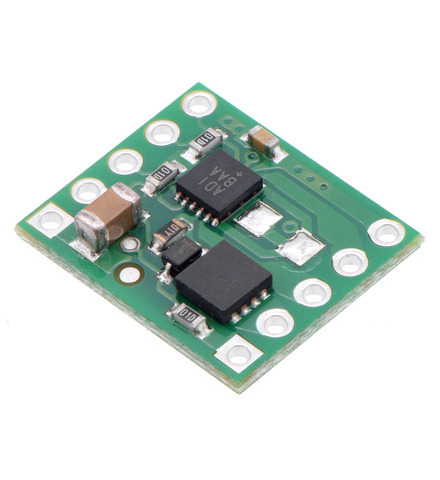
This compact breakout board for Maxim’s MAX14870 motor driver offers a wide operating voltage range of 4.5 V to 36 V and can deliver a continuous 1.7 A (2.5 A peak) to a single brushed DC motor. It features a simple two-pin speed/direction interface and built-in protection against reverse-voltage, under-voltage, over-current, and over-temperature.
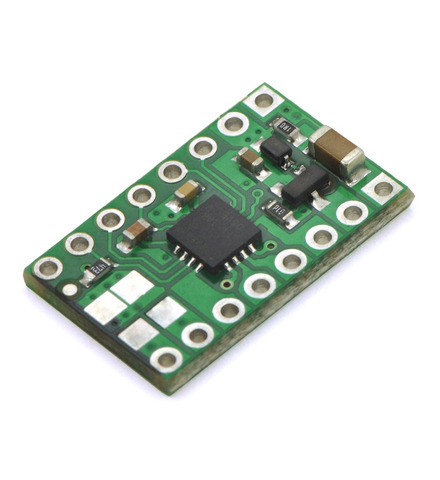
| Pololu item #: 2130 | |
| Brand: Pololu | supply outlook |
| Status: Active and Preferred | |
|
|
|
This tiny breakout board for TI’s DRV8833 dual motor driver can deliver 1.2 A per channel continuously (2 A peak) to a pair of DC motors. With an operating voltage range from 2.7 V to 10.8 V and built-in protection against reverse-voltage, under-voltage, over-current, and over-temperature, this driver is a great solution for powering small, low-voltage motors.
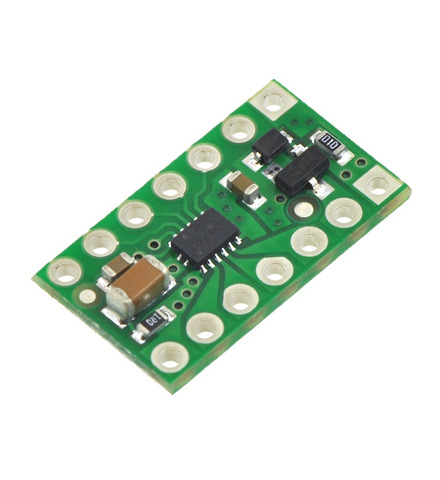
| Pololu item #: 2135 | |
| Brand: Pololu | supply outlook |
| Status: Active and Preferred | |
|
|
|
This tiny breakout board for TI’s DRV8835 dual motor driver can deliver 1.2 A per channel continuously (1.5 A peak) to a pair of DC motors, and it supports two possible control interfaces for added flexibility of use: IN/IN and PHASE/ENABLE. With an operating voltage range from 0 V to 11 V and built-in protection against reverse-voltage, under-voltage, over-current, and over-temperature, this driver is a great solution for powering up to two small, low-voltage motors. The carrier board has the form factor of a 14-pin DIP package, which makes it easy to use with standard solderless breadboards and 0.1″ perfboards.
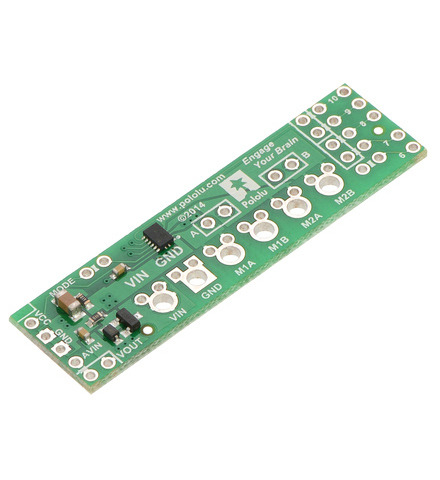
| Pololu item #: 2511 | |
| Brand: Pololu | |
| Status: Active and Preferred | |
|
|
|
This small shield is an easy, economical way to control two small brushed DC motors with an Arduino or Arduino-compatible board. Its integrated DRV8835 dual motor driver allows it to operate from 1.5 V to 11 V, making it a great control option for low-voltage motors. The shield can deliver a continuous 1.2 A (1.5 A peak) per motor, or a continuous 2.4 A (3 A peak) to a single motor when configured with both channels connected in parallel.
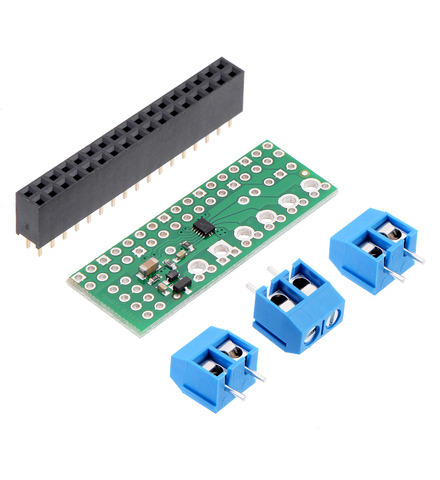
| Pololu item #: 2753 | |
| Brand: Pololu | |
| Status: Active | |
|
|
|
This compact expansion board plugs directly into the GPIO header on a Raspberry Pi B+, Pi A+, Pi 2, or Pi 3 and provides an easy and low-cost solution for driving a pair of small brushed DC motors. Its integrated DRV8835 dual motor driver allows it to operate from 1.5 V to 11 V, making it a great control option for low-voltage motors. The board can deliver a continuous 1.2 A (1.5 A peak) per motor, or a continuous 2.4 A (3 A peak) to a single motor when configured with both channels connected in parallel.
| Pololu item #: 713 | |
| Brand: Pololu | supply outlook |
| Status: Active | |
|
|
|
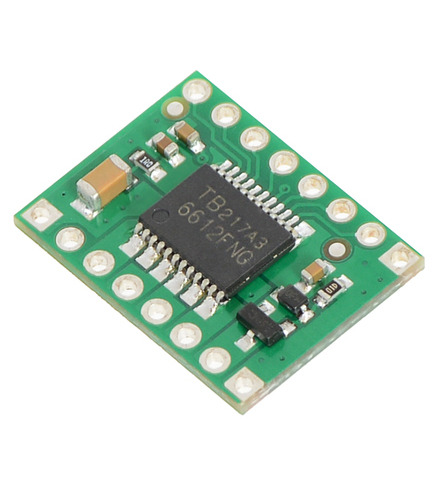
This tiny board is an easy way to use Toshiba’s TB6612FNG dual motor driver, which can independently control two bidirectional DC motors or one bipolar stepper motor. A recommended motor voltage of 4.5 V to 13.5 V and peak current output of 3 A per channel (1 A continuous) make this a great motor driver for low-power motors.
| Pololu item #: 2137 | |
| Brand: Pololu | |
| Status: Active | |
|
|
|
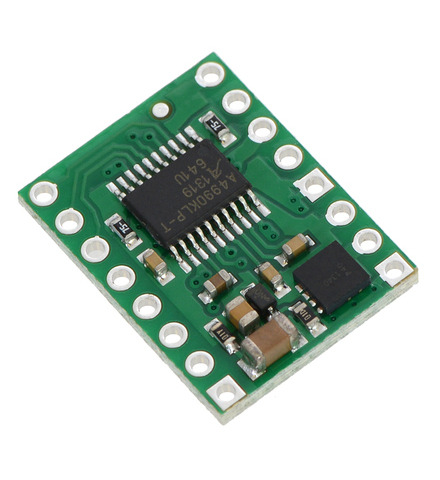
This compact breakout board makes it easy to use Allegro’s A4990 dual motor driver, which can control two bidirectional DC motors over a wide operating voltage range of 6 V to 32 V. It is capable of delivering a continuous 0.7 A to each motor channel, and onboard sense resistors enable the A4990 to limit the peak motor current to about 0.9 A per channel. The driver also features protection against reverse-voltage, under-voltage, over-voltage, over-current, and over-temperature.
| Pololu item #: 2512 | |
| Brand: Pololu | |
| Status: Active | |
|
|
|
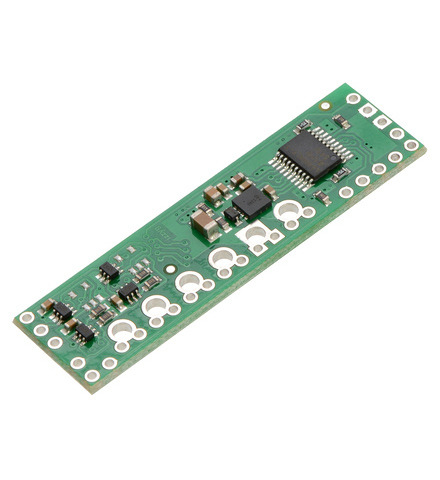
This small shield is an easy, economical way to control two small brushed DC motors with an Arduino or Arduino-compatible board. Its integrated A4990 dual motor driver operates from 6 V to 32 V and can deliver a continuous 0.65 A to each motor channel, making it a great control option for low-current motors that run on high voltages. The A4990 is configured to limit the peak motor current to about 0.9 A per channel and is protected against reverse-voltage, under-voltage, over-voltage, short-circuit, and over-temperature conditions.
| Pololu item #: 2990 | |
| Brand: Pololu | supply outlook |
| Status: Active and Preferred | |
|
|
|
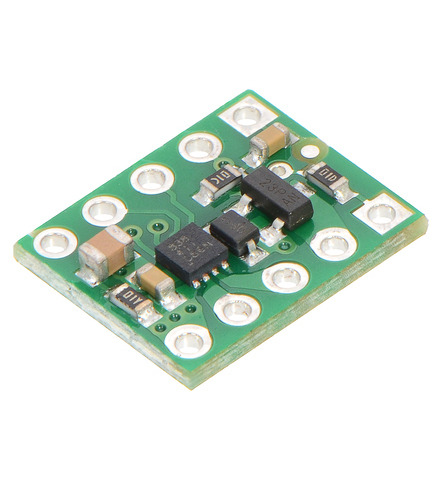
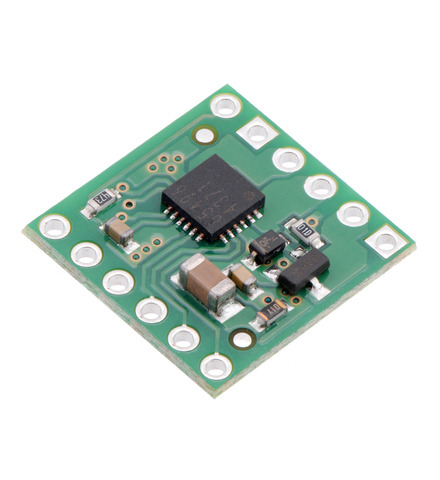
This tiny breakout board for TI’s DRV8838 motor driver can deliver a continuous 1.7 A (1.8 A peak) to a single brushed DC motor. With an operating voltage range from 0 V to 11 V and built-in protection against reverse-voltage, under-voltage, over-current, and over-temperature, this driver is a great solution for powering a small, low-voltage motor. The carrier board has the form factor of a 10-pin DIP package, which makes it easy to use with standard solderless breadboards and 0.1″ perfboards.
| Pololu item #: 2960 | |
| Brand: Pololu | |
| Status: Active | |
|
|
|
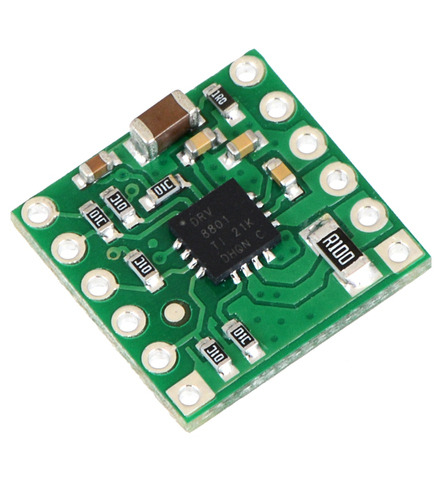
This compact breakout board for ROHM’s BD65496MUV motor driver offers an operating voltage range of 2 V to 16 V and can deliver a continuous 1.2 A (5 A peak for a few milliseconds) to a single brushed DC motor. The motor driver features variable switching speed, allowing for PWM frequencies up to 500 kHz, two drive mode options, and built-in under-voltage and over-temperature protection; our carrier also adds reverse-voltage protection.
| Pololu item #: 2136 | |
| Brand: Pololu | supply outlook |
| Status: Not Recommended for New Design | |
|
|
|
This tiny breakout board for TI’s DRV8801 provides a modern alternative to classic motor drivers such as the L293D, SN754410, and L298N. It can deliver a continuous 1 A (2.8 A peak) to a single motor and offers a wide operating voltage range of 8 V to 36 V. The DRV8801 features a simple two-pin speed/direction interface, current-sense feedback, and built-in protection against under-voltage, over-current, and over-temperature.
| Pololu item #: 1449 | |
| Brand: ST | supply outlook |
| Status: Active and Preferred | |
|
|
|
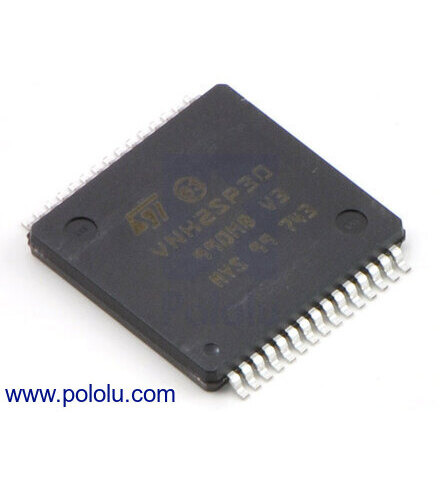
This motor driver IC from ST operates from 5.5 to 24 V and can deliver a maximum of 30 A. For more information, please see the VNH5019A-E datasheet (1MB pdf). We use this motor driver in our VNH5019 motor driver carrier and our dual VNH5019 motor driver shield for Arduino.
Related products


Home | Forum | Blog | Support | Ordering Information | Lists | Distributors | BIG Order Form | About | Contact
© 2001–2026 Pololu Corporation