Electronics » Development Boards (Programmable Controllers) »
Arduino-Compatible
 Compare all products in this category
Subcategories
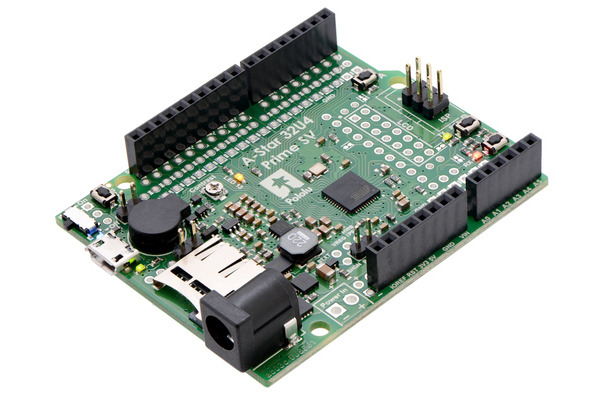
The Pololu A-Star microcontroller boards are general-purpose programmable modules based on Atmel AVR microcontrollers. A USB interface and preloaded Arduino-compatible bootloader on each A* makes it easy to get started programming them.
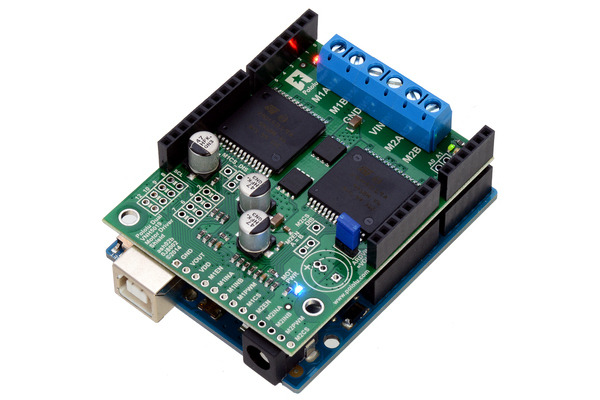
Shields are expansion boards that conveniently add peripheral electronics to Arduinos.
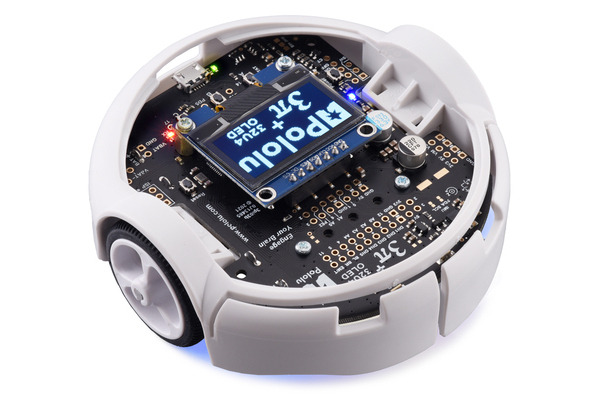
This versatile, high-performance mobile platform has a diameter of just 9.7 cm (3.8″), small enough to fit in the palm of your hand. It is based on the Arduino-compatible ATmega32U4 MCU and its features include dual quadrature encoders, line sensors, front bump sensors, a full IMU, and a graphical OLED display.
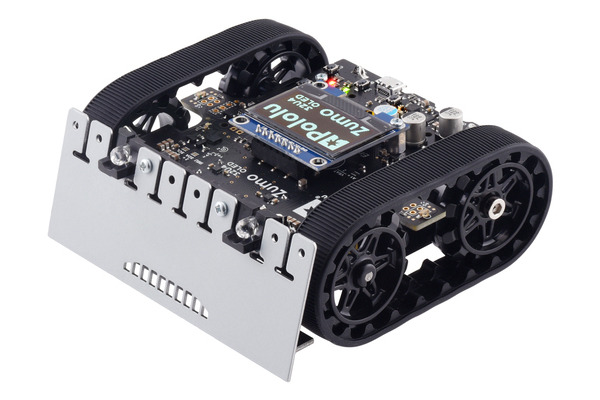
The highly integrated Zumo 32U4 OLED improves upon the original Zumo 32U4 by adding a 128×64 graphical OLED display. Other key features include a built-in Arduino-compatible ATmega32U4 MCU, encoders for closed-loop motor control, and proximity sensors for obstacle detection.
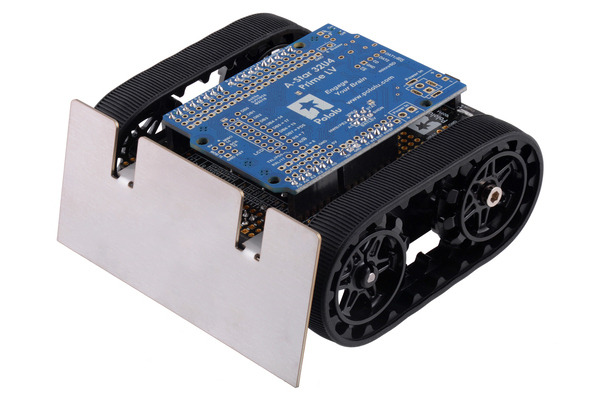
The Zumo robot for Arduino includes the basic mechanical parts and electronics to build an Arduino-controlled robot. An Arduino-compatible controller is not included, and this version does not have as many integrated sensors as the Zumo 32U4/2040 robot.
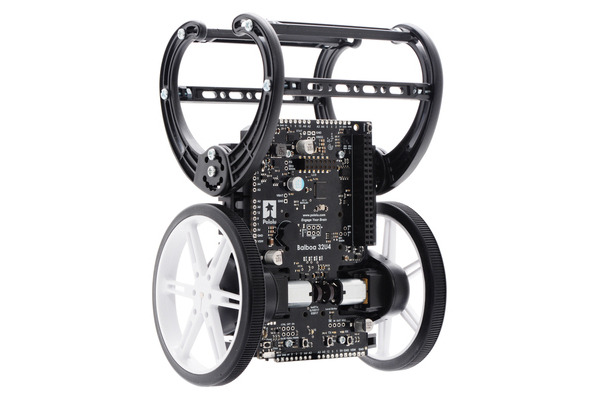
This category includes the Balboa 32U4 Balancing Robot Kit, which includes control electronics, and Balboa Chassis Kit, which lets you supply your own electronics. Here you can also find Balboa accessories and the most recommended motors and wheels to complete the kits.
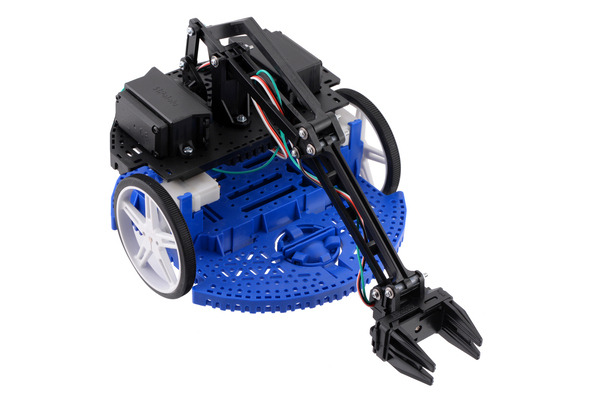
The Romi chassis is a differential-drive mobile robot platform with a diameter of 6.5″ (165 mm). The plastic components making up the chassis are available in six colors, either individually or in kits including motors and battery contacts. Control electronics and quadrature encoders are also available.
Related products


Home | Forum | Blog | Support | Ordering Information | Lists | Distributors | BIG Order Form | About | Contact
© 2001–2026 Pololu Corporation